-
Forward Collision Avoidance
02/24/2026
I am reporting several safety concerns based on approximately one year of experience using Tesla Full Self-Driving (FSD). Primary Event: Between February 23 and February 28, 2026, while traveling northbound on the NJ Turnpike with FSD engaged, the vehicle accelerated to approximately 95 mph in a 65 mph. The acceleration appeared unexpected and excessive for the traffic conditions. I disengaged FSD and immediately took control of the vehicle to reduce speed and continued driving manually.No collision occurred, but I considered the event a safety risk because the vehicle exceeded the posted speed limit by a substantial margin. Additional Observations: 1. On multiple occasions, FSD appeared not to recognize or comply with “NO TURN ON RED” traffic signs.2. Situations where overhead or elevated traffic signs appeared not to be recognized by the system.3. On one occasion, the vehicle navigated toward railroad tracks where the roadway and tracks intersected at an approximate 45-degree angle....
-
Steering, lane Departure
06/01/2026
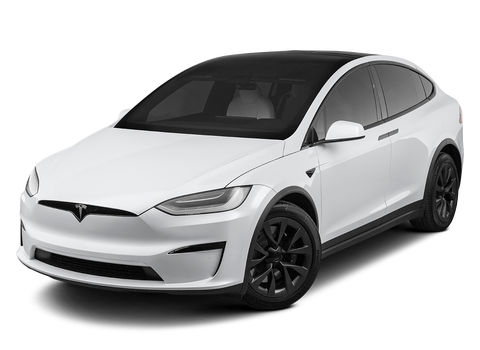
As I was driving the Tesla Model X, I received a steering assist reduced error on the dash. There was no immediate noticeability, but after about 5 minutes, it felt like there was ZERO power steering, with no additional warnings in the car. With zero power steering, car required extreme forces required to get to the shoulder. If attempting any kind of turn, car would require forces in excess of 80lbs of pressure to execute. Once safely in a parking lot, I put the car into SERVICE mode to check the errors. There was an EPAS error, where it said Torque Sensor 1 not receiving, along with a Torque Sensor 2 not receiving. This has occurred to me 3 times, in the 3 years I've owned the car. Other than "Steering assist reduced", there is no other warning that the car's EPAS steering system reverts to just manual forces required to steer a car. I do not trust my wife to drive this car, as she would not have the strength necessary to get the car to a safe location. If this happened wh...
-
Steering
02/02/2026
The steering wheel locks periodically and I have to get out and re enter my car. On long drives it works pretty fine and does not do this much on highways only once but in hotter weathers it seems to be much much worse. This happened once before the warranty but I did not think much of it. In one instance the steering wheel was so tight that it hurt my wrist while getting off the road
-
Structure, unknown Or Other
05/07/2026
The primary front trunk (frunk) latch mechanism fails to unlatch on the first attempt, requiring multiple actuations to open. When I brought the vehicle to the manufacturer's official service center to have the defective safety latch inspected and repaired, they confirmed the behavior but refused to fix the underlying hardware. Instead, the service center officially documented on my repair invoice that this latch failure is "frequently present and deemed a characteristic of the vehicle." A malfunctioning, binding, or misaligned front trunk latch poses a severe safety risk. If the primary latch is failing to release properly, it indicates a defect in the retention mechanism that could lead to the hood unexpectedly opening, flying up, and obstructing the driver's vision at highway speeds (a known issue that has caused recalls in the past). The manufacturer's refusal to repair a failing primary safety latch, and instead documenting it as a normal "characteristic," leaves a critical safet...
-
Steering, suspension, wheels
11/06/2025
The failure involves the rear suspension system, specifically suspected rear control arm / suspension linkage play, which caused severe misalignment (rear toe out of specification). The vehicle is available for inspection upon request. This defect created a significant safety risk. The abnormal toe condition caused rapid and uneven tire wear, with both rear tires becoming nearly completely bald within less than 7,000 miles. This condition increases the risk of tire blowout, loss of traction, and potential loss of control at highway speeds. The issue has been confirmed by an independent service center (Les Schwab), which documented suspension play in the rear control arm area and alignment out of specification (rear toe approximately +1.20° total). The alignment could not be maintained, indicating an underlying mechanical issue. Tesla inspected the vehicle but stated that no suspension components required replacement and attributed the issue only to alignment. However, alignment does...